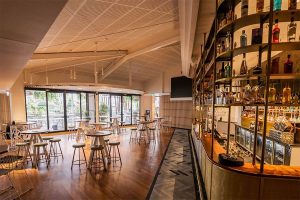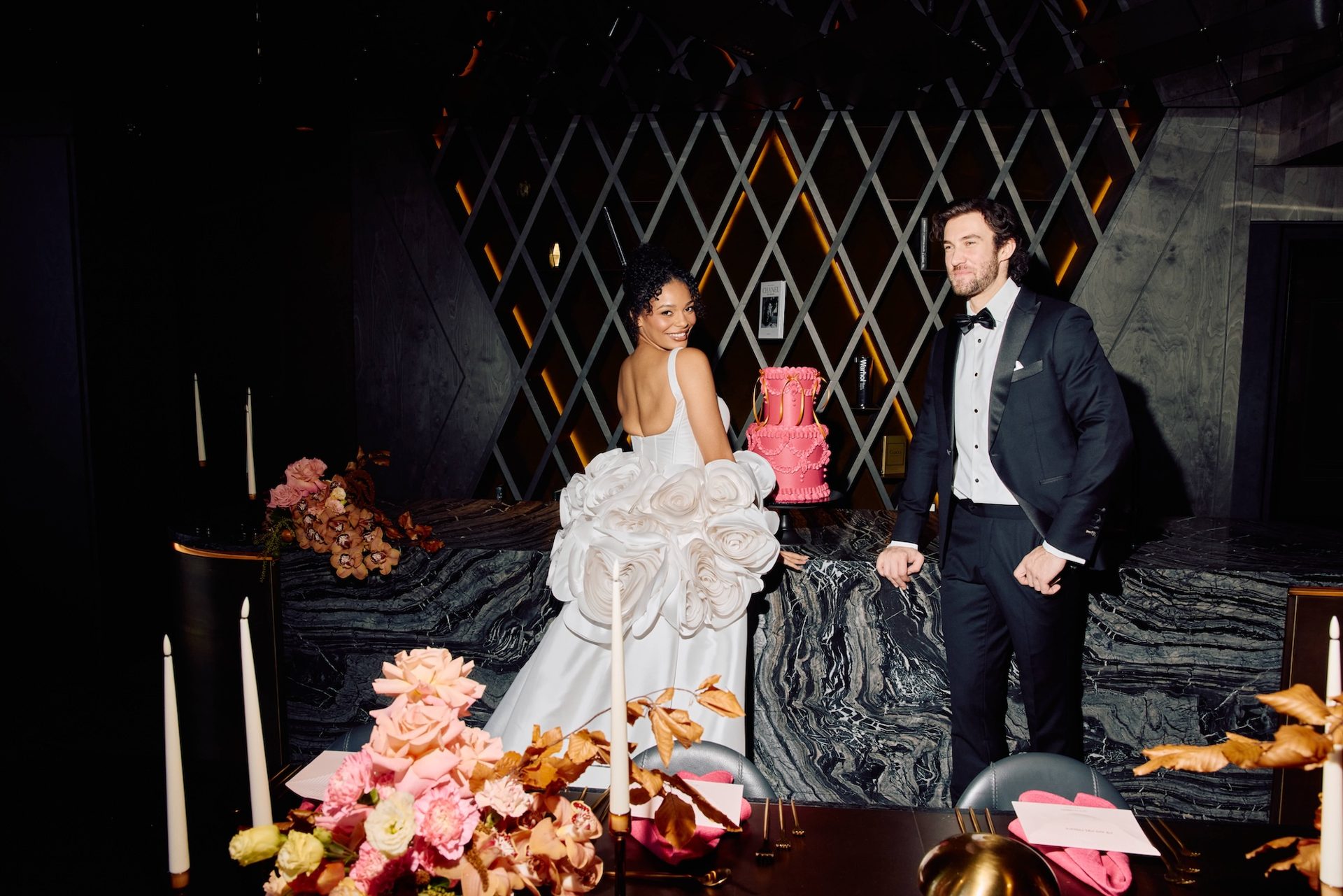
A restaurant buyout is when one client books your entire restaurant, or a defined part of it, for a private event and you close that space to the public. Most operators price buyouts with a food and beverage (F&B) minimum set at or above what the room would normally earn in that daypart, plus service charge and tax.
This guide is for restaurant and bar owners, GMs and event managers who want to sell more buyouts at the right price.
By Sam McKnoulty, Harvest Agency. Updated September 2026.
Key takeaways
- Set your buyout minimum from your own sales history for that day and daypart, plus a margin for turned away regulars.
- Quote F&B minimums before service charge and tax, and show the client the full estimated total so there are no surprises.
- Offer partial buyouts, with a lower minimum, for groups that don’t need the whole room.
- Protect the date with a signed contract, a deposit, a guest count deadline and a clear cancellation schedule.
- A ready to send buyout packet and a fast first reply win more events than a lower price.
What is a restaurant buyout?
A restaurant buyout means a single host reserves the whole restaurant for a set time, and you don’t seat anyone else. The host gets a custom menu, a dedicated team and control over the space, in return for guaranteeing a minimum spend.
That’s different from a private dining room booking, where the rest of the restaurant stays open. A buyout closes the doors, so the price has to cover the entire night’s revenue, not just one room.
Full vs partial restaurant buyouts
A full buyout closes the whole venue. A partial buyout reserves a defined area, such as the patio, mezzanine or bar, while the rest of the restaurant stays open.
| Full buyout | Partial buyout | |
|---|---|---|
| Space | Entire restaurant | A defined section (patio, bar, back room) |
| Public service | Closed | Stays open in other areas |
| Typical pricing | Full F&B minimum for the daypart | Lower minimum, sometimes plus a fee for seats removed from service |
| Best for | Large groups, weddings, brand events, anyone wanting privacy | Groups of 20 to 60 who want a dedicated space without the full cost |
Offering both lets you say yes to more inquiries. A group that can’t reach your full minimum may still be a strong partial buyout.
How to price a restaurant buyout
Price a buyout from what the space would earn without the event, not from what competitors charge. Then pick the structure that suits the event.
The four common pricing models:
| Model | How it works | Best for |
|---|---|---|
| F&B minimum | Client must spend a set amount on food and drink; any shortfall is charged | Most restaurant buyouts |
| Room or venue fee | A flat fee for the space, on top of F&B | Venues with high setup costs, hotel restaurants |
| Per person package | Fixed price per guest for a set menu and drinks | Weddings and corporate dinners that need a firm budget |
| Hybrid | Per person package with a minimum guest count or spend | Firm revenue with a clear per head price |
What real venues publish:
| Venue | Published buyout pricing | Other charges |
|---|---|---|
| Scarlett Begonia (daytime buyout, 30 to 100 guests) | $5,000 Monday to Thursday, $7,000 Friday, $12,000 Saturday, Sunday and holidays. Partial buyout for 30 to 40 guests: $2,500 plus a $2,500 turnaway fee | 20% gratuity, 3% admin fee, 3% processing fee, $150 coordination fee, tax, 50% deposit |
| The Pearl Hotel (full venue buyout) | $7,500 to $12,500 depending on day and month | Room fee of $1,000 to $1,500 for five hours, $250 per extra hour, 20% service charge, 8% tax |
| New York City restaurants, as compiled by Tulle Together (2025) | Juliette $19,000 (Saturday full buyout), Bottino $18,000 to $20,000, Gage & Tollner $85,000 | Tax, gratuity or service charges from 20% to 30%, admin fees at some venues |
The lost revenue math: a worked example
Here is how to set a Friday dinner full buyout minimum. The figures are illustrative; use your own point of sale data.
| Step | Calculation | Example |
|---|---|---|
| 1. Average Friday dinner sales | Pull the last 8 to 12 comparable Fridays | $9,400 in F&B sales |
| 2. Add displaced revenue | Bar walk ins, late covers, regulars you turn away | Plus about 10%: $940 |
| 3. Lost revenue baseline | Step 1 plus step 2 | $10,340 |
| 4. Round to a clean minimum | Round up | $10,500 F&B minimum |
| 5. Add service charge | 20% of F&B | $2,100 |
| 6. Add sales tax | Your local rate, for example 8% on F&B | $840 |
| 7. Estimated client total | Steps 4 to 6 | $13,440 |
Now test it. Say 70 guests take a $95 menu and average $45 each at the bar: $140 per guest, or $9,800. The host is $700 short, so they add a canapé hour or a champagne toast, or the $700 is charged as an unmet minimum.
At the same revenue, a buyout is often more profitable than a normal Friday: a set menu and confirmed guest count mean predictable prep, less waste and a tighter labor plan. Hold minimums firm on Friday and Saturday, and discount Monday to Wednesday, when the dining room earns far less.
Service charge and tax: quote the minimum before service charge and tax, say so in writing, and show an estimated total. State whether the service charge is a gratuity paid to staff or a house fee, and check your state’s rules on how each is taxed.
Getting buyout inquiries but not closing them? Harvest runs outsourced event sales for restaurants and venues, replying to inquiries fast and following up until they book. Get a free audit.
Buyout contracts and deposits
Never hold a date without a signed contract. Scarlett Begonia’s published terms are typical: a 50% deposit to hold the date, final count and menu 24 hours before, and no penalty for canceling more than 30 days out.
Contract checklist:
| Clause | What to specify |
|---|---|
| Date, time and access | Event hours, setup and breakdown times, overtime rate per hour |
| F&B minimum | Amount, what counts toward it, how a shortfall is charged |
| Service charge, fees and tax | Percentages, what each fee is for, whether gratuity goes to staff |
| Deposit and payment schedule | Deposit to hold the date (often 50%), balance due date, accepted payment methods |
| Guest count guarantee | Deadline for final numbers and how you bill for no shows |
| Cancellation | Refund schedule by days before the event |
| Menu and bar | Menu deadline, dietary requirements, bar package or consumption billing, last call |
| Outside vendors and decor | Florists, DJs, cake fees, insurance, decor rules and damage charges |
| Film and brand events | Filming permits, insurance, crew meals, use of your name and logo |
What to include in a buyout packet
A buyout packet is the PDF or web page you send the moment an inquiry arrives, so the next conversation is about dates, not basics.
- Photos of the room set for events.
- Capacities for seated dinner, cocktail reception and theater style.
- Floor plans for the full buyout and each partial buyout option.
- Minimums by day and daypart, or “starting from” prices.
- Sample menus with per person prices, plus bar packages.
- What’s included: linens, AV, staffing, event manager.
- Fees and policies: service charge, tax, deposit, cancellation, outside vendors.
- Two or three testimonials from past event hosts.
- A clear next step, such as booking a site visit.
Put a version on your private events page too, with a starting price. Tripleseat suggests wording such as minimums that “depend on the event type and day of the week, starting at” a set figure. It filters out mismatched inquiries and builds trust.
How to market restaurant buyouts
Buyouts come from a few repeatable client types, each with its own buying cycle.
| Client type | When they book | What they care about | Where to reach them |
|---|---|---|---|
| Corporate teams | Year round, with peaks for quarter ends and offsites | Invoicing, AV, a firm budget, quick answers | LinkedIn, Google search, office manager and EA networks |
| Holiday parties | Planning starts in late summer for November and December | Securing the date early, set menus, bar packages | Email to past guests, Google Ads from August, your private events page |
| Rehearsal dinners and weddings | Months ahead, often alongside the main venue | Atmosphere, menu tastings, family style options | Wedding venue partners, planners, The Knot and Zola listings |
| Film shoots and brand activations | Short notice, often daytime or closed days | Access hours, power, insurance, filming rules | Location scouts, production directories, local film office |
Get found for buyout searches. US searchers look for “private dining” about 5,400 times a month, “restaurant buyout” about 170 times and “how much does it cost to rent out a restaurant” about 70 times (Semrush, 2026). A buyouts page that answers the cost question directly will capture searches most competitors ignore. Then sell your quiet nights: promote Monday to Wednesday buyouts with lower minimums to corporate clients.
A steady flow of qualified buyout inquiries takes search, ads, email and partners working together. See how Harvest generates private event leads for restaurants.
The buyout sales process
Event planners often send the same inquiry to several venues. The first clear, complete reply usually gets the site visit.
- Reply within minutes during business hours. Confirm the date is open and send the buyout packet.
- Qualify in the first reply: date, guest count, budget, event type, and whether they need a full or partial buyout.
- Send a written proposal within 24 hours with the minimum, menus and an estimated total, and offer a site visit.
- Follow up on a set schedule, such as day 2, 5 and 10, adding something new each time.
- Send the contract and deposit link together so the client can confirm in one step.
- Hand over to the event manager in writing, then ask the host for a review afterward.
Most lost buyouts are lost to slow replies and no follow up, not price. If your managers can’t answer every inquiry fast, see how Harvest handles event sales follow up.
Restaurant buyout FAQs
How much does it cost to rent out a restaurant?
It depends on the restaurant, city, day and season. Published examples range from $5,000 for a weekday daytime buyout at Scarlett Begonia to $85,000 or more at high demand New York venues. Most restaurants set an F&B minimum, then add service charge, tax and any room fee.
Does a restaurant buyout include food?
Usually, yes. With an F&B minimum, the food and drinks your guests order count toward the minimum, so the buyout price is mostly spent on the meal itself. Service charge, tax and any room or admin fees are extra. A flat room fee, by contrast, may cover only the space.
What is a private dining minimum?
A private dining minimum is the least a host must spend on food and beverage to reserve a room or the whole restaurant. If the final bill comes in below it, the difference is charged as an unmet minimum. Minimums are usually higher on Friday and Saturday nights and during the holiday season.
What deposit should a restaurant take for a buyout?
Many restaurants take 50% to hold the date, applied to the final bill, with the balance due before or on the event day. Spell out the cancellation schedule in the contract, including when the deposit becomes non refundable, and collect the deposit before you block the date.
What is a partial buyout?
A partial buyout reserves one defined area, such as a patio or bar, while the rest of the restaurant stays open. It has a lower minimum than a full buyout. Some venues add a fee for the regular seats they lose, such as the $2,500 turnaway fee in Scarlett Begonia’s published pricing.
Book more buyouts at the right price
Buyouts reward operators who know their numbers, publish clear starting prices and reply faster than anyone else. Set minimums from your sales history, protect the date with a solid contract and keep your packet ready.
If you want more buyout inquiries and a team to turn them into signed contracts, explore Harvest’s private event lead generation.
Related guides: In house vs outsourced event sales · Facebook and Google ads for restaurants · Restaurant email marketing
Related: Event sales follow up · Restaurant marketing · Corporate event marketing
Sources: Scarlett Begonia, Private Daytime Restaurant Buyout overview (PDF) · The Pearl Hotel, Full Venue Buyouts pricing (PDF via The Knot) · Tulle Together, NYC restaurant wedding venues and how much they cost (2025) · Tripleseat, How to determine event minimums · Search volumes from Semrush (US, 2026).