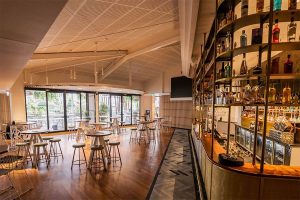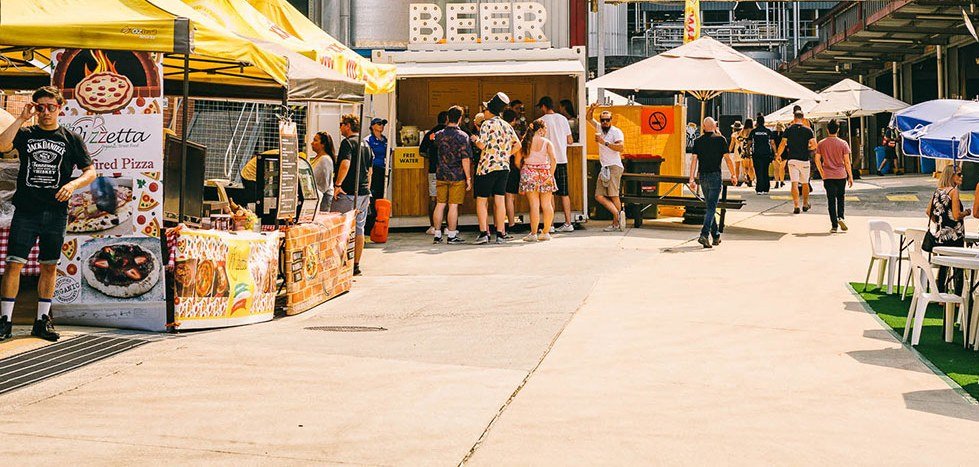
Restaurant marketing is everything you do to get new guests through the door, bring existing guests back more often and sell higher value occasions such as private events. The restaurants that do it well focus on a few things that drive bookings: being easy to find on Google, earning fresh reviews, staying in touch with past guests through email and SMS, and running targeted Google and Meta ads when they need to fill specific nights. Everything else is a supporting act.
This guide is for independent restaurant owners, operators and multi location groups who want a practical plan, not a list of gimmicks.
By Sam McKnoulty, Harvest Agency. Updated September 2026.
Key takeaways
- Most restaurants should spend about 3 to 6% of revenue on marketing, and more in the first year after opening.
- Your regulars are your biggest asset. Toast and Resy data shows up to 50% of order volume can come from just 7% of guests.
- Search ads for restaurants are cheap by industry standards: LocaliQ’s 2026 benchmarks put the average cost per click at $2.05, against $5.42 across all industries.
- Match the tactic to the goal. Slow nights, new openings and private events each need a different plan.
- Private events are the most underused revenue line in restaurant marketing. 37% of event planners specifically source restaurants for events, according to Cvent.
- Write a one page plan with a monthly calendar, a budget and three to five numbers you check every month.
What is restaurant marketing and what drives bookings?
Restaurant marketing is the mix of online and offline activity that turns people who have never heard of you into guests, and guests into regulars. It covers search, reviews, social media, email and SMS, paid advertising, partnerships, in venue promotions and private event sales.
It helps to think about it as three jobs:
| Job | What it means | Main channels |
|---|---|---|
| Get found | Show up when people are deciding where to eat or book an event | Google Business Profile, SEO, reviews, Google Ads, AI search |
| Get chosen | Look like the right choice once they find you | Photos, menu, website, reviews, social media, booking flow |
| Get them back | Turn a first visit into repeat visits | Email, SMS, loyalty, events, great service |
Most restaurants overspend on the first job and underspend on the third. That is backwards. Toast and Resy’s Regulars Report found that up to 50% of restaurant order volume can come from just 7% of guests, and that moving a guest into a loyalty program can lift their return rate from a 7% baseline to nearly 30%.
Reviews also carry a lot of weight in the “get chosen” stage. BrightLocal’s 2026 Local Consumer Review Survey found 97% of consumers read reviews for local businesses and 68% require a rating of at least four stars.
Restaurant marketing ideas grouped by budget
The best ideas are the ones you can keep doing every week. Start with the free list, then add paid ideas once you know what each guest and event is worth.
Free restaurant marketing ideas
- Complete your Google Business Profile. Specific primary category, accurate hours, menu link, attributes, booking link and new photos every week.
- Ask every happy table for a review. A QR code on the check presenter and a review link in post visit emails does most of the work.
- Reply to every review, good and bad, and mention the dish or occasion the guest wrote about.
- Put your menu on your website as text, not only as a PDF, so Google and AI assistants can read it.
- Post short behind the scenes videos. Prep, plating, a new cocktail, the chef tasting a special. Phone footage is fine.
- Reshare guest content (with permission). A guest’s photo of your dish is more persuasive than your own.
- Cross promote with neighbors. Swap counter cards or social posts with a nearby theater, gym, hotel or brewery.
- Pitch local press and newsletters. Neighborhood newsletters and city guides need stories: a new chef, a seasonal menu, a charity night.
- Claim every listing: Apple Business Connect, Bing Places, Yelp, Tripadvisor and your reservation platform, all with matching details.
- Collect emails at every touchpoint: reservations, wifi login, online orders, gift card sales and private event inquiries.
Low budget ideas (under about $500 a month)
- Start a monthly email. One seasonal story, one offer or event, one reason to book. Most restaurant email and SMS tools cost tens of dollars a month.
- Run a simple loyalty program. Points, a free dessert on the fifth visit, or a birthday reward. Keep it easy to join at the table.
- Host a recurring weekly event. Trivia, live music, a chef’s counter night or a wine flight evening gives people a reason to come on a set night.
- Launch a slow night special that feels like an experience, not a discount: a three course set menu, half price bottles of wine, or a family style feast.
- Sell gift cards online and promote them hard from November to December and around Mother’s Day and Father’s Day.
- Boost your best performing organic posts to people within a few miles of the restaurant.
- Invite local creators for a hosted meal with a clear brief, rather than paying for a one post deal.
- Run a small Google Ads campaign on your brand name and “near me” style searches for your cuisine.
- Partner with local hotels. Give concierges a tasting, a short card with your private dining options and a direct line for bookings.
- Host a fundraiser night with a local school or charity that promotes the night to its own community.
- Join the chamber of commerce and offer your private room for member breakfasts or networking evenings.
Bigger budget ideas
- Run always on Meta ads (Facebook and Instagram) to a custom audience of past guests and lookalikes, promoting events and seasonal menus.
- Build a private events campaign with a dedicated landing page, Google search ads on event terms and a fast follow up process.
- Commission a professional photo and video shoot every season, including the private dining room set up for an event.
- Host ticketed dinners: winemaker dinners, guest chef collaborations or a supplier showcase.
- Offer a catering or corporate lunch program and market it to office managers and event planners.
- Redesign your website around bookings, with clear calls to action for reservations, orders, gift cards and events.
- Sponsor a local festival or sports team with a food stall or branded experience that captures emails on site.
- List on event venue platforms where planners search for restaurant venues.
- Hire outside help for the channels that need consistent weekly effort, such as ads, SEO or event sales follow up.
Restaurant marketing strategies by goal
A restaurant marketing strategy is a plan for reaching one clear goal with the right mix of channels. Pick the goal first, then the tactics. Private events get their own section below.
Filling slow nights
Slow nights usually need a reason to visit, not a discount.
- Pick one or two nights to fix, not the whole week.
- Create a named offer or event for that night: “Tuesday Pasta Club,” a set menu, trivia or a chef’s table.
- Tell your list first. Email and SMS your past guests before you spend on ads.
- Support it with local ads. A small Meta campaign within a few miles, running Sunday to the night itself.
- Pitch groups. Slow nights suit corporate dinners and birthday groups. See the private events section below.
- Measure covers on that night against the same night in previous weeks. Give it at least six weeks.
Launching a new restaurant
New restaurants need awareness fast and reviews early.
- Start 8 to 12 weeks before opening. Set up your Google Business Profile, website, social accounts and a waitlist page.
- Build a launch list with a “first to know” signup and tease the menu, the team and the room.
- Host soft opening nights for neighbors, local businesses, hotel concierges and creators, and ask for honest feedback.
- Invite local press with a clear story: who you are, what you serve and why now.
- Ask early guests for reviews from the first week, so you reach 20 reviews quickly. BrightLocal found 47% of consumers won’t use a business with fewer than 20.
- Run opening ads on Meta and Google for the first 90 days, then taper to what is working.
- Put private events on the site from day one so corporate and celebration inquiries start coming in while you are new.
Restaurant advertising: Google, Meta and what each costs
Restaurant advertising means paying to reach people who are not already following you. For most independent restaurants, that means two platforms: Google Ads for people actively searching, and Meta (Facebook and Instagram) for people who are not searching yet but live, work or stay nearby.
| Platform | Best for | 2026 benchmark for restaurants and food | Suggested starting budget |
|---|---|---|---|
| Google search ads | High intent searches: “italian restaurant near me,” “private dining room,” “holiday party venue” | Average cost per click $2.05, click through rate 6.83%, conversion rate 8.05%, cost per lead $30.57 (LocaliQ) | $300 to $1,000 a month for one location |
| Meta traffic ads | Awareness of events, menus and offers to people nearby | Average cost per click $0.45, click through rate 2.68% (LocaliQ) | $300 to $1,000 a month |
| Meta lead ads | Private event and catering inquiries | All industry average cost per lead $27.39 (LocaliQ, no restaurant specific figure published) | $500 or more a month for event campaigns |
For context, LocaliQ’s 2026 search benchmarks put the all industry average cost per click at $5.42 and cost per lead at $66.69, so restaurants pay well under half the average for search clicks and leads. The suggested starting budgets are our recommendation for a single location test, not a benchmark.
How to spend it well:
- Google Ads: Bid on your own brand name (cheap and protects you from competitors), cuisine plus location searches, and event terms. Use location targeting tightly around your venue, and send event searches to your private dining page, not the homepage.
- Meta ads: Promote specific things with a date attached: a new menu, a ticketed dinner, a holiday party package. Target people within a set radius, your past guests and lookalikes of your best customers.
- Track bookings, not likes. Connect your booking platform and inquiry forms to your ads so you can see cost per reservation and cost per event inquiry. Review these numbers monthly, alongside covers by night, new reviews and email list growth.
Restaurant advertising ideas that work
- “Book your holiday party” search ads from August to November, pointing to a holiday party page with packages and a short inquiry form.
- Short video ads of the room set for an event, aimed at office workers within a few miles.
- Retargeting ads to people who visited your events page but didn’t inquire.
- Gift card ads in the first three weeks of December and the two weeks before Mother’s Day.
- Weekday lunch ads to office workers nearby, with a set menu and a time promise.
- Brand search ads so guests who search your name see your booking link before a third party listing.
Want more private event inquiries? Harvest runs Google and Meta campaigns for restaurants that target event planners and send every inquiry into a fast follow up process. Get a free audit.
How to build a restaurant marketing plan
A restaurant marketing plan is a one page document that says who you are marketing to, what you want to achieve, which channels you will use, what you will spend and how you will measure it. It does not need to be long. It needs to be used.
Step by step:
- Set two or three goals with numbers. For example: lift Tuesday covers by 20%, book 15 private events this quarter, grow the email list to 3,000.
- Define your guests. Who comes now, who you want more of, and what each group cares about. A corporate event planner and a date night couple need different messages.
- Check the basics. Google Business Profile, reviews, website speed, menu page, booking flow and events page.
- Set a budget. Start with 3 to 6% of revenue, and set aside a separate amount for paid ads.
- Choose your channels. Pick the three or four that fit your goals and that you can run consistently.
- Build a 12 month calendar around your seasonal peaks, local events and holidays.
- Assign an owner for each channel and a weekly time slot to do the work.
- Review monthly against your numbers and move budget to what is working.
One page restaurant marketing plan template:
| Section | What to write |
|---|---|
| Goals | Two or three measurable goals for the next quarter |
| Target guests | Two to four guest groups and what each wants |
| Positioning | One sentence on why guests choose you over nearby options |
| Channels | The three or four channels you will focus on, and who owns each |
| Budget | Monthly marketing spend, split into tools, content, ads and agency fees |
| Calendar | Key dates, campaigns and events for the next 12 months |
| Numbers to track | Covers, reviews, email list size, event inquiries, cost per booking |
A sample 12 month restaurant marketing calendar:
| Month | Focus |
|---|---|
| January | Slow night offers, gift card redemption, planning corporate events for the year |
| February | Valentine’s Day set menus and bookings, spring menu teasers |
| March | Spring menu launch, patio preview, graduation party packages go live |
| April | Mother’s Day bookings open, rehearsal dinner and graduation inquiries |
| May | Mother’s Day, graduations, summer patio and events promotion |
| June | Father’s Day, summer events, team and client summer parties |
| July | Midsummer slow period offers, ticketed dinners, fall menu planning |
| August | Holiday party campaign launches to event planners and office managers |
| September | Fall menu launch, holiday party ads and follow up at full speed |
| October | Holiday party bookings, Halloween events, Thanksgiving pre orders |
| November | Thanksgiving, gift cards, final holiday party dates |
| December | Holiday parties, gift cards, New Year’s Eve, next year’s plan |
Using marketing to grow private events revenue
Private events are where restaurant marketing pays back fastest. One corporate dinner or rehearsal dinner can equal a week of regular covers, often on a night you’d otherwise be quiet, and usually with a set menu and an F&B minimum that makes it easier to plan.
Demand is there. Cvent’s 2025 Planner Sourcing Report found 49% of North American planners are looking for unique venues rather than standard hotel ballrooms, and 37% specifically source restaurants for events. In the US, “private dining” gets around 5,400 searches a month (Semrush, 2026).
How to market private events:
- Build a dedicated private dining and events page with room names, capacities, photos of the room set up, sample menus, F&B minimums or starting prices and a short inquiry form.
- Target event searches on Google: private dining, rehearsal dinner venue, holiday party venue, corporate dinner, buyout, plus your city or neighborhood.
- Run event campaigns on Meta to office workers, event planners and engaged couples nearby.
- Work your network: hotel concierges, wedding planners, event planners and local businesses.
- Reply within minutes. Planners often send the same inquiry to several venues. The first clear, helpful reply usually wins.
- Follow up every lead. Most inquiries don’t book on the first reply. A structured sequence of calls, emails and texts turns more of them into deposits.
- Track inquiry to booking rates by source so you know which channels bring events, not just leads.
Marketing brings the inquiries in. Turning them into bookings is a sales job, and it is where most restaurants lose revenue. See how Harvest’s restaurant marketing service fills private dining rooms, and how our event sales follow up turns more inquiries into deposits.
How much does restaurant marketing cost?
Most restaurants spend 3 to 6% of revenue on marketing. Toast recommends that range as a starting point and points to public examples: Chipotle spent about 3.1% of revenue on advertising, marketing and promotion in 2025, and Domino’s US stores generally contribute 6% of sales to national marketing. WebFX suggests newer restaurants may spend 6 to 10% to build awareness early.
Published US price ranges for common services:
| Service | Typical monthly cost | Notes |
|---|---|---|
| Email and SMS marketing tools | $50 to $100 | WebFX range; many POS systems include basic tools |
| Social media management | $100 to $5,000 | From boosted posts to full content and community management |
| Paid advertising (ad spend and management) | $100 to $10,000 | Depends on locations, goals and season |
| SEO and local SEO | $2,500 to $7,500 | WebFX range for managed restaurant SEO |
| Reviews and reputation management | $5,000 to $10,000 | Managed programs for groups; single venues often do this in house |
| Website design and development | $5,000 to $20,000 | Usually a one time project, not monthly |
A simple way to budget: for a restaurant doing $1.5 million a year, 3 to 6% is $45,000 to $90,000 a year, or about $3,750 to $7,500 a month across tools, content, ads and help. The better question is what each guest and each event is worth. If one private event covers a month of ad spend, event marketing is usually the first place to invest.
Restaurant marketing FAQs
What is the best marketing for a restaurant?
The best restaurant marketing is a complete Google Business Profile, a steady flow of fresh reviews, and regular email or SMS to past guests. These three cost little and work for almost every restaurant. Add Google and Meta ads for specific goals, such as filling slow nights or growing private events, once the basics are in place.
How much should a restaurant spend on marketing?
Most restaurants spend 3 to 6% of revenue on marketing, according to Toast. New restaurants often spend more, around 6 to 10%, in their first year to build awareness quickly. Keep a separate line for paid ads so you can test them, and measure every channel against bookings rather than clicks or followers.
How do I market a new restaurant?
Start 8 to 12 weeks before opening. Set up your Google Business Profile, website and social accounts, build a waitlist, host soft opening nights for neighbors and local businesses, invite press and creators, and ask early guests for reviews. Run Google and Meta ads for the first 90 days, then keep what works.
How do restaurants advertise?
Most restaurants advertise through Google Ads, which reach people searching for a place to eat or an event venue, and Meta ads on Facebook and Instagram, which reach people nearby with events, menus and offers. Others use local press, radio, sponsorships, hotel partnerships and event venue platforms, depending on their audience and budget.
How do you increase restaurant sales without advertising?
Focus on the guests you already have. Collect emails and phone numbers, send a regular email with a reason to visit, launch a simple loyalty program, host a recurring weekly event and sell gift cards. Promote private dining to regulars and local businesses, since one event can equal a week of regular covers.
What should a restaurant marketing plan include?
A restaurant marketing plan should include measurable goals, the guest groups you want to reach, your positioning, the channels you will use and who owns them, a monthly budget, a 12 month calendar of campaigns and events, and a short list of numbers you review every month. One page is enough if you use it.
Build a restaurant marketing plan that fills tables and rooms
Good restaurant marketing is not complicated. Get found, get chosen, get guests back, and put real effort into private events, where one booking can outweigh a week of regular covers.
If you want help with the channels that need weekly attention, Harvest runs restaurant marketing built around bookings and private event revenue, from Google and Meta ads to event lead follow up. Explore restaurant marketing services.
Related guides: Restaurant SEO · Facebook and Google ads for restaurants · Restaurant social media marketing
Related: Google Ads for hospitality · Social media marketing · Event lead generation
Sources: Toast, Restaurant Marketing: Strategies to Attract and Retain Guests · Toast, What Is the Average Marketing Budget for a Restaurant? · LocaliQ, Search Advertising Benchmarks 2026 · LocaliQ, Facebook Advertising Benchmarks 2026 · BrightLocal, Local Consumer Review Survey 2026 · Cvent, Restaurant Marketing Ideas (2025 Planner Sourcing Report data) · WebFX, Restaurant Marketing Budget · Search volumes from Semrush (US, 2026).