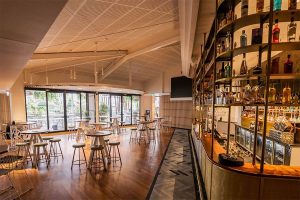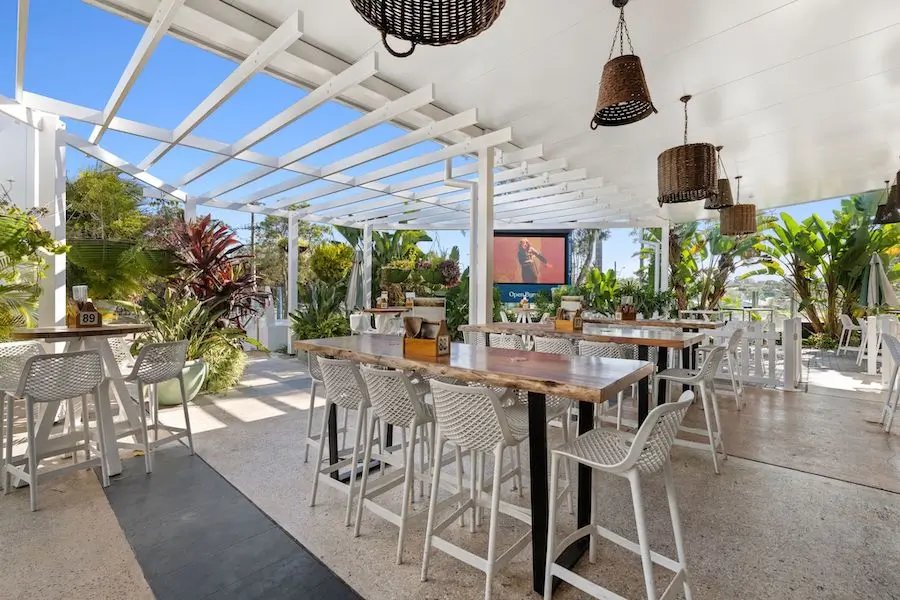
Restaurant branding is the promise your restaurant makes to guests and the way you keep it: your name, logo, colors, voice, menu, room, service and every place guests meet you online. A strong restaurant brand makes you easy to recognize, easy to describe and easy to choose over the place next door. It starts with a clear idea of who you are for, then shows up the same way everywhere.
This guide is for restaurant owners and operators opening a new concept, refreshing a tired one or bringing a multi location group into line.
By Sam McKnoulty, Harvest Agency. Updated September 2026.
Key takeaways
- Your brand is more than your logo. It is positioning, visual identity, voice and guest experience working together.
- Start with one sentence that says who you are for and why they choose you. Every design decision should follow from it.
- Consistency matters most online, where guests compare you in seconds on Google, Instagram and review sites.
- Guests now meet many restaurants through AI summaries. BrightLocal found 45% of consumers use ChatGPT and other AI tools to find local businesses.
- Brand your private events offer too. Event planners judge the room, the menus and the proposal as much as the food.
- Published US prices for brand design run from a few hundred dollars with a freelancer to $25,000 or more with an agency.
What is restaurant branding?
Restaurant branding is the process of shaping how guests see, feel about and describe your restaurant. It combines strategy (who you serve and why you are different) with execution (how that looks, sounds and feels).
People often use brand, brand identity and logo as if they mean the same thing. They don’t:
| Term | What it is | Example |
|---|---|---|
| Brand | What guests think and say about you | “The relaxed neighborhood Italian place with the best Sunday lunch” |
| Brand identity | The tools you use to shape that impression | Name, logo, colors, fonts, photography, voice, uniforms, menu design |
| Logo | One mark within the identity | A wordmark on the sign and the menu |
You control the brand identity. The brand itself is what guests end up believing, based on every experience they have with you.
Why restaurant branding matters
A clear brand helps you in three places where restaurants win or lose guests.
On search and review sites. Guests compare restaurants in seconds on Google, Yelp and Instagram. BrightLocal’s 2026 Local Consumer Review Survey found 97% of consumers read reviews for local businesses and 68% require at least a four star rating. A consistent brand, with photos and descriptions that match the experience, sets the right expectations and leads to better reviews.
In AI answers. BrightLocal found 45% of consumers now use ChatGPT and other AI tools to find local businesses, and 82% read AI generated review summaries. AI tools describe you using your website, listings and reviews. If your brand is clear and consistent across them, the summary is more likely to be accurate.
With event planners. Cvent’s 2025 Planner Sourcing Report found 49% of North American planners want unique venues rather than standard hotel ballrooms, and 37% specifically source restaurants for events. A distinctive, well presented brand is exactly what makes a restaurant feel like a unique venue.
The elements of a restaurant brand identity
A restaurant brand identity is built from nine parts that need to fit together.
| Element | What to decide | Where it shows up |
|---|---|---|
| Positioning | Who you are for, what you offer and why guests choose you | Website, Google description, pitch to press and planners |
| Name | Memorable, easy to spell and search, not already taken locally | Signage, domain, social handles, listings |
| Logo | A primary logo plus a simple version that works small | Signage, menus, profile photos, merchandise |
| Color palette | Two or three core colors plus neutrals | Interior, menus, website, social posts, uniforms |
| Typography | One display font and one readable text font | Menus, website, signage, print |
| Photography style | Lighting, angles, props and mood | Website, Google Business Profile, ads, social |
| Brand voice | How you write and speak: warm, witty, refined, direct | Menu descriptions, captions, emails, review replies |
| Guest experience | Service style, music, lighting, tableware, uniforms | Every visit |
| Menu | What you serve, how it’s named and how it’s designed | Tables, website, delivery apps |
How to build a restaurant brand in 8 steps
Building a restaurant brand starts with strategy and ends with consistency. Design comes in the middle.
- Define your positioning. Write one sentence: “We are the [type of place] for [guests] who want [benefit].” If you can’t write it, a designer can’t draw it.
- Know your guests. List your two to four main guest groups, such as local couples, office workers, families and event planners, and what each values.
- Study your competition. Screenshot the Google profiles, websites and Instagram grids of the five restaurants guests compare you with. Note what everyone does, then decide where you will be different.
- Write your brand story. A short paragraph on why the restaurant exists: the chef, the family, the region, the ingredients. Keep it true and specific.
- Design the visual identity. Logo, colors, fonts and photography style, built around the positioning. Test the logo small (a profile photo) and large (the sign).
- Set your voice. Pick three words for how you sound, and write a few examples: a menu description, an Instagram caption, a review reply.
- Bring it into the room. Lighting, music, uniforms, tableware, the check presenter and the restrooms all tell guests who you are.
- Write simple brand guidelines and apply them everywhere: signage, menus, website, Google Business Profile, social, email, delivery apps and event proposals.
Restaurant branding ideas
Good restaurant branding ideas make you easier to remember and talk about:
- Name your signature dish and make it the hero of your photos, menu and ads.
- Create a house ritual: a bread service, a welcome drink, a bell for birthdays.
- Write menu descriptions in your brand voice, not generic “served with seasonal vegetables” copy.
- Tell your sourcing story by naming local farms, fishermen and breweries on the menu.
- Design a memorable detail guests photograph: a neon sign, a mural, a wallpapered restroom, a signature glass.
- Keep a consistent photo style with the same light, angles and props across every channel.
- Brand your takeout packaging with stickers, stamps or a thank you card in your voice.
- Give your private dining room a name and its own page, photos and menus.
- Use a short tagline that says what you are, such as “Neapolitan pizza and natural wine,” on your sign and profiles.
- Make your review replies sound like you, not a template.
- Create seasonal menu drops with names, dates and a preview night for your email list.
- Match your website to your room. Guests should feel the same mood online as they do at the table.
- Keep delivery app listings on brand with your own photos, descriptions and dish names.
Is your brand bringing in event inquiries? Harvest reviews your website, Google profile and private events offer to find where planners drop off. Get a free audit.
Restaurant brand checklist: every touchpoint
Use this checklist to audit your brand across the places guests meet you. Mark each one as on brand, needs work or missing.
| Touchpoint | What to check |
|---|---|
| Google Business Profile | Logo, cover photo, recent photos in your style, description in your voice |
| Website | Colors, fonts and photos match the room; text menu; clear booking and events links |
| Instagram and Facebook | Profile photo, bio, grid style, captions in your voice |
| Review sites | Photos current, replies in your voice, details consistent |
| Delivery apps | Your own photos, dish names and descriptions |
| Signage and exterior | Logo readable from the street, lighting, hours visible |
| Menus | Fonts, layout, dish naming and descriptions |
| Interior and service | Music, lighting, uniforms, tableware, service style |
| Email and SMS | Header, colors, tone, sign off |
| Private events materials | Event page, proposal, menus and floor plans in your identity |
Branding your private events offer
Your private events offer deserves the same branding care as your dining room, because event planners judge it before they ever taste the food. They compare venues on photos, room names, menus and how professional the proposal looks.
How to brand it:
- Name your spaces. “The Cellar Room” is easier to sell and remember than “upstairs.”
- Photograph the room set for events, not just empty or during dinner service.
- Design event menus and proposals in your brand identity, with clear F&B minimums, capacities and packages.
- Build a dedicated private dining page on your website that matches the rest of the brand.
- Use your brand voice in follow up. Fast, warm, specific replies are part of the brand experience.
A strong brand gets the inquiry. A fast, consistent sales process gets the booking. See how Harvest’s restaurant marketing service turns your brand into private event revenue.
When to rebrand a restaurant
A restaurant rebrand is worth considering when the brand no longer matches the business. Common signs:
- The menu, price point or service style has changed and the identity hasn’t.
- Guests describe you differently from how you describe yourself.
- The name is hard to spell, easy to confuse with another venue or hard to search.
- Your look is inconsistent across locations, channels or years of piecemeal updates.
- You want to attract a new audience, such as corporate events, that your current brand doesn’t speak to.
A refresh (new photography, updated logo, cleaner menus and website) is often enough. A full rebrand with a new name resets recognition, so update every listing at once and tell regulars first.
How much does restaurant branding cost?
Restaurant branding costs anything from a few hundred dollars for a freelance logo to $50,000 or more for a full strategy and identity from a specialist studio. Published US prices give a useful range:
| Option | Published price range | What you usually get |
|---|---|---|
| Junior freelance designer | $150 to $350 (Bark) | Logo and basic files |
| Senior freelance designer | $400 to $1,300 (Bark) | Logo, colors, fonts |
| Small agency | $700 to $3,500 (Bark) | Logo and basic visual identity |
| Established agency | $2,000 to $25,000 or more (Bark) | Full visual identity and guidelines |
| Specialist brand studio | $10,000 to $50,000 for a startup branding package (Helms Workshop) | Strategy, naming, identity, guidelines |
Budget separately for rollout: signage, menus, uniforms, packaging, photography and your website. On many projects, applying the brand costs more than designing it. If you’re updating your site at the same time, see our restaurant web design service.
Restaurant branding FAQs
What is restaurant brand identity?
Restaurant brand identity is the set of elements you control to shape how guests see you: your name, logo, colors, fonts, photography, voice, menu design, interior and service style. It differs from your brand, which is what guests actually think and say about you after experiencing those elements.
How do I build a restaurant brand?
Start with a one sentence positioning statement about who you serve and why they choose you. Then study your guests and competitors, write your story, design your logo, colors and fonts, set your voice and bring it into the room. Finally, write simple guidelines and apply them everywhere guests meet you.
How do I increase brand awareness for my restaurant?
Keep your Google Business Profile complete and active, post consistently on Instagram and Facebook in a recognizable style, earn and reply to reviews, pitch local press, partner with nearby businesses and host events. Small, local Meta ad campaigns can help new or relaunched restaurants reach nearby guests quickly.
How much does it cost to brand a restaurant?
Published US prices range from about $150 to $1,300 for freelance designers, $700 to $3,500 for small agencies, and $2,000 to $25,000 or more for established agencies, according to Bark. Specialist studios quote $10,000 to $50,000 for full startup branding. Budget separately for signage, menus, photography and your website.
Does third party delivery affect a restaurant’s brand?
Yes. For many guests a delivery app listing is their first experience of you. Use your own photos, dish names and descriptions, and brand your packaging with stickers or a card. Food that travels badly can hurt your reviews, so consider a smaller delivery menu built around dishes that arrive well.
What makes a good restaurant logo?
A good restaurant logo is simple, readable at small sizes, distinctive in your area and true to your concept. It should work on a sign, a menu, a profile photo and a coffee cup. Ask for a primary version, a simplified version and one color versions before you sign off.
Build a restaurant brand that gets booked
A restaurant brand is not a logo. It is a clear promise, shown the same way on every sign, menu, profile, photo and plate, and kept by the team every night.
When your brand is ready to work harder, Harvest helps restaurants turn it into bookings and private event revenue through search, ads and fast event follow up. Explore restaurant marketing services.
Related guides: Restaurant social media marketing · Restaurant marketing ideas and strategies · Restaurant reputation management
Related: Restaurant marketing · Web design · Social media marketing
Sources: BrightLocal, Local Consumer Review Survey 2026 · Cvent, Restaurant Marketing Ideas (2025 Planner Sourcing Report data) · Bark, Brand Design Costs · Helms Workshop, How Much Does Branding Cost? · Google Business Profile Help, Photos on your Business Profile · Search volumes from Semrush (US, 2026).