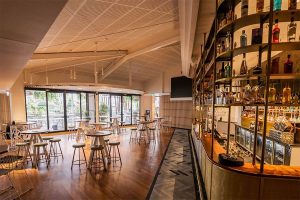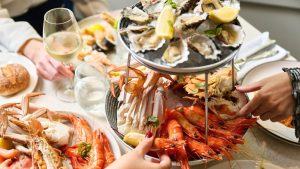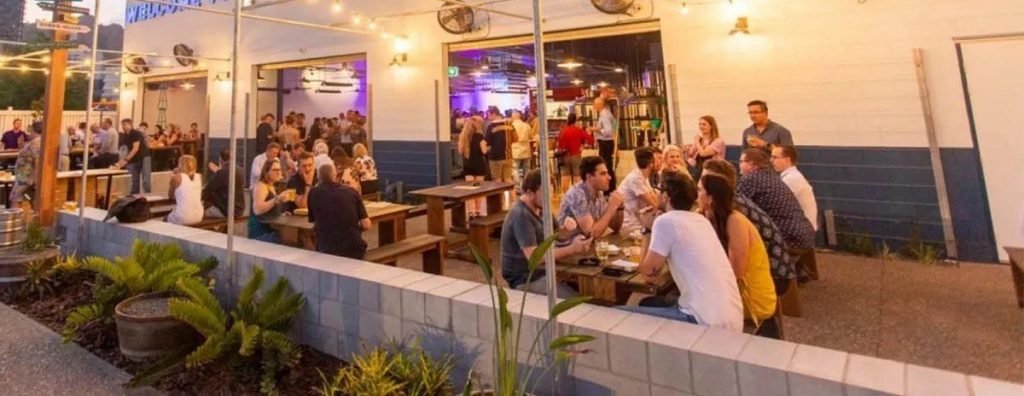
Social media marketing for restaurants means using Instagram, TikTok, Facebook and your Google Business Profile to show people what it feels like to eat at your place, so they book a table, order or send an event inquiry. The restaurants that win on social pick one main platform, post short, real videos of their food and room on a steady schedule, reshare what guests post, and put a small paid budget behind their best content. You do not need a big team or a viral hit to make it work.
This guide is for independent restaurant owners, operators and multi location groups who want social media to drive covers and private event inquiries, not just likes.
By Sam McKnoulty, Harvest Agency. Updated September 2026.
Key takeaways
- Facebook is still the biggest social discovery channel for US diners overall (27%), but TikTok is the top discovery channel of all for Gen Z at 38% (Toast, 2025).
- Start with one primary platform you can post to consistently, then repurpose the same videos elsewhere.
- Photos of food and drinks are what diners most want to see: 84% say so in Toast’s 2024 survey.
- Resharing guest content and working with local creators builds trust faster than polished brand posts. Creators must disclose any free meal.
- Put a small paid budget behind proven posts rather than boosting everything.
- Show your private dining room set up for real events. It is the easiest way to turn followers into event inquiries.
Why social media matters for restaurants
Social media is now where many diners decide where to eat before they ever visit your website. It works as your menu preview, your room tour and your review site at once.
Toast’s October 2025 survey of 1,466 US diners found the top ways people discover new restaurants are:
| Discovery channel | Share of diners |
|---|---|
| Word of mouth | 38% |
| In person (walking or driving past) | 30% |
| 27% | |
| TV ads and map apps | 18% each |
| Search engine results | 16% |
| Instagram and YouTube | 15% each |
| TikTok | 14% |
Two details in that data matter for your planning. TikTok is the number one discovery channel for Gen Z at 38%, ahead of word of mouth, but its influence drops sharply for Gen X and older diners. And urban diners rely on social media more than suburban diners, who lean on word of mouth and passing by.
Social also backs up word of mouth. In an earlier Toast survey (July 2024), 62% of respondents said they sometimes check a restaurant’s social media before deciding to dine there.
Which social media platforms should a restaurant use?
Choose the platform where your guests already spend time, and that your team can feed every week. For most restaurants that means Instagram or TikTok as the main channel, Facebook as a supporting channel, and Google Business Profile posts on top.
| Platform | Best for | What works | Watch out for |
|---|---|---|---|
| Most restaurants, especially urban and date night venues | Reels, Stories, carousels of dishes and the room, collab posts with creators | Polished photos alone get less reach than short video | |
| TikTok | Venues with Gen Z and millennial guests, fun concepts, signature dishes | Short, unpolished video with a hook in the first seconds, staff personalities, trends | Needs frequent posting; weaker for older audiences |
| Neighborhood, family, suburban and older audiences; events | Events, specials, community updates, groups, paid ads | Organic reach is limited, so pair it with ads | |
| Google Business Profile posts | Everyone | Updates, offers and events that show on Search and Maps | Posts older than six months are archived unless you set a date range |
| YouTube Shorts | Repurposing | The same vertical videos you make for Reels and TikTok | Rarely worth original content for a single venue |
Start with one primary platform. Posting five times a week on one channel beats posting once a week on four. Once the rhythm is steady, repurpose the same vertical video everywhere else.
Do not skip Google Business Profile posts. Updates, offers and events appear on your profile in Search and Maps, in front of people already looking for somewhere to eat.
How to set up your restaurant’s social profiles
Before you post anything, make each profile answer the questions a hungry person has in the first five seconds.
- Use the same name, handle and profile photo everywhere.
- Write a bio that says what, where and why: cuisine, neighborhood and one reason to visit.
- Link to your own booking page, or a link page with reserve, menu, gift cards and private events.
- Keep hours, address and phone current, including holidays.
- Pin or highlight your essentials: menu, private dining and how to book.
- Use a business or professional account for insights and ads access.
30 restaurant social media post ideas
Diners mostly want to see what they will eat and drink. In Toast’s 2024 survey, 84% wanted photos of food and drinks, 47% wanted decor and ambiance, 44% wanted promotions and 38% wanted dining experience videos. Build your mix around that.
Food and drink
- The hero dish, filmed in one slow shot as it lands on the table.
- A cocktail being built, start to finish, in under 15 seconds.
- “What $50 gets you here” or a “full table” overhead shot.
- New menu item reveal, with the story behind it.
- The pour, the slice, the sizzle or the cheese pull.
- Seasonal ingredient spotlight, from delivery box to plate.
Behind the scenes
- Prep before service: stocks, pasta, bread, butchery.
- Meet the team: one staff member, three quick questions.
- The chef’s family meal.
- A day in the life of your busiest Saturday.
- Supplier or farm visit.
- How a signature dish is plated, sped up.
The room and the experience
- A slow walk from the front door to the best table.
- Golden hour on the patio.
- The private dining room set for an event (more on this below).
- Before and after: empty room to full service.
- The playlist, the lighting, the details guests miss.
Guests and community
- Reshared guest photos and videos, with credit.
- Short clips of real guest reactions, with their permission.
- Replies to reviews or comments as a video.
- Local partners: the brewery, bakery or winery you work with.
- Neighborhood events and charity nights.
Offers and news
- Happy hour or weeknight special.
- Holiday menus and prix fixe dates.
- Gift card reminders before Mother’s Day and the holidays.
- Last minute availability: “Two tables left at 7pm.”
- Awards, press and milestones.
Recurring series
- A weekly “dish of the week.”
- “Ask the bartender” answering follower questions.
- A monthly “what’s new” roundup.
Recurring series make planning easier because you know what next Tuesday’s post is before Monday.
How often should a restaurant post on social media?
Aim for three to five feed posts or short videos a week on your main platform, plus Stories most days you are open. Consistency matters more than volume, so choose a cadence your team can keep in the busy season.
A simple weekly plan for one venue:
| Day | Main platform post | Stories or quick content | Google Business Profile |
|---|---|---|---|
| Monday | Behind the scenes prep video | Week ahead specials | Update: this week’s specials |
| Tuesday | Dish of the week | Staff answering a question | |
| Wednesday | Room or private dining feature | Reshare a guest post | |
| Thursday | Weekend teaser: new drink or special | Last tables for the weekend | Offer or event post if relevant |
| Friday | Guest reaction or busy service clip | Live service moments | |
| Weekend | Optional: repost best performer | Guest reshares |
Batch your content. One hour of filming on a quiet afternoon can produce a week of vertical clips.
Respond quickly. In Toast’s 2024 survey, 43% of respondents said it is very important for restaurants to respond to comments or messages. Check DMs every shift.
Want your social media to bring in bookings, not just likes? Harvest builds content and paid social plans for restaurants that tie every post back to reservations and private event inquiries. Get a free audit.
User generated content and influencer marketing
User generated content (UGC) is anything guests post about you: photos, reviews, Reels and TikToks. It works because other diners trust it more than your own posts, and it costs you nothing but a good experience and a quick ask.
How to get more guest content:
- Design one “camera moment” per table: a dish finished tableside, a smoking cocktail, a mural or neon sign.
- Show your handle on menus, check presenters and the bathroom mirror.
- Ask for permission and credit guests when you reshare. A simple DM asking “Can we share this?” is enough.
- Use Instagram collab posts with guests and partners so the post appears on both profiles.
Working with local creators and influencers
The MGH survey of 1,139 US TikTok users (2022) found 38% had visited or ordered from a restaurant after seeing it on TikTok, rising to 53% of millennial users. The top reason they gave was food that looked appetizing (72%), followed by unique menu items (45%) and a fun atmosphere for groups (42%).
Local food creators with engaged followers in your city are often worth more than big national accounts. Tips:
- Check their audience is local and their comments are real.
- Brief them lightly on dishes and story, then let them make it their way.
- Agree on usage: can you reshare it or run it as an ad?
- Require disclosure. The FTC says creators must disclose any financial, employment, personal or family relationship with a brand, and a free meal counts as something of value. Disclosures should sit with the post itself, such as “#ad” or “thanks to [restaurant] for the free meal,” not only in a bio.
How to use social media to fill your private dining room
Private events are where social media pays off fastest, because one event can be worth dozens of regular covers. Most restaurants post the room empty, once. Planners want to see it in use.
Content that sells private dining:
- The room set up for real occasions: long table rehearsal dinner, cocktail style birthday, corporate dinner with a screen.
- Setup time lapses from bare room to finished tablescape.
- Menu and bar packages shown as they are served to a group.
- Capacity facts on screen: “Seats 24, standing 40, private bar.”
- A “Private Events” Stories highlight with rooms, menus, F&B minimums or starting prices, and how to inquire.
- Seasonal pushes: holiday party content from late summer, rehearsal dinner content in spring, buyout content before big local events.
End every private events post with a link to your inquiry form, and reply fast, because planners usually contact several venues at once.
If you want a plan that connects your content, creators and ads to event revenue, see Harvest’s social media marketing for restaurants and venues. For inquiries that need a quick reply, see event sales follow up.
Paid social basics for restaurants
Paid social puts your best content in front of nearby people who have never heard of you. Boosting from the app is fine for testing; for anything ongoing, use Meta Ads Manager to choose objectives and build audiences.
Keep it simple:
- Promote posts that already perform organically. If a Reel got strong engagement for free, it will usually make good ad creative.
- Target a realistic radius around your venue, plus nearby office districts and hotels for lunch and events.
- Retarget warm audiences: people who engaged with your profile or visited your website.
- Match the objective to the goal: awareness for a launch, traffic for menu or booking clicks, leads for private events.
- Run two or three creatives at once so the platform can find the winner.
Costs are modest compared with most industries. WordStream’s 2026 Facebook benchmarks put the median cost per click for Restaurants and Food traffic campaigns at $0.45, against $0.60 across all industries.
For a full walkthrough of campaign setup, see Harvest’s Instagram advertising service.
Where social fits in digital marketing for restaurants
Social media is one part of digital marketing for restaurants, alongside search, email, paid ads and your website. Social creates interest, Google Search and Maps capture people ready to book, and email marketing brings guests back. Make booking and event inquiries easy from every profile so the channels feed each other.
How to measure restaurant social media marketing
Follower counts and likes are easy to track but say little about revenue. Measure what leads to bookings.
| Metric | What it tells you | Where to find it |
|---|---|---|
| Reach and views from non followers | Whether you are finding new diners | Instagram, TikTok and Facebook insights |
| Saves and shares | Content people plan to act on | Platform insights |
| Profile link clicks | Intent to book, order or inquire | Platform insights, link page analytics |
| Reservations from social | Covers you can attribute | Booking platform with UTM tagged links |
| Private event inquiries from social | Highest value outcome | Inquiry form with a “how did you hear about us” field |
| DM response time | Service quality | Inbox settings and team checks |
| Paid cost per booking or inquiry | Whether ads are worth it | Ads Manager plus booking data |
Tag every link with UTM parameters so bookings show their source in analytics. Review monthly.
Common restaurant social media mistakes
- Posting only polished stills when diners respond to short, real video.
- Spreading across every platform and posting nowhere consistently.
- Ignoring DMs, including event inquiries.
- Boosting random posts instead of proven performers.
- Hiding the private dining room or showing it empty.
- Measuring followers instead of bookings and inquiries.
Restaurant social media FAQs
What is the best social media platform for restaurants?
It depends on your guests. Toast’s 2025 survey found Facebook is the largest social discovery channel for US diners overall at 27%, while TikTok leads for Gen Z at 38%. Most restaurants do well with Instagram or TikTok as the main channel, Facebook for events and older guests, and Google Business Profile posts.
How often should a restaurant post on social media?
Three to five feed posts or short videos a week on your main platform is a practical target, with Stories on most service days. Consistency matters more than volume. Pick a schedule your team can keep during busy periods, and batch film content in quiet afternoons so you are never scrambling.
How do I promote my restaurant on social media for free?
Post short vertical videos of your food, room and team on a steady schedule, reshare guest content with credit, reply to every comment and message, and invite local creators for a disclosed hosted meal. Add Google Business Profile posts each week. None of this needs ad spend, only time and consistency.
Should my restaurant work with influencers?
Yes, if you choose local creators whose followers actually live nearby and engage with their posts. Agree on what they will post and whether you can reuse it. The FTC requires creators to disclose free meals or payment clearly in the post itself, so make disclosure part of every agreement.
How much should a restaurant spend on social media ads?
Start small and test. WordStream’s 2026 benchmarks show a median cost per click of $0.45 for Restaurants and Food traffic campaigns on Facebook, so a modest monthly budget can buy meaningful local reach. Put spend behind posts that already perform, then scale what produces bookings and event inquiries.
Can social media bring in private event bookings?
Yes. Event planners check a venue’s social profiles to see the space in use. Post your private dining room set for real occasions, share capacities and menus, keep a “Private Events” highlight, and link every post to your inquiry form. Then respond fast, because planners often contact several venues at once.
Turn your feed into bookings
Social media marketing for restaurants comes down to a few habits: one main platform, short real videos, a steady schedule, guest and creator content, paid support for your best posts, and measurement tied to bookings.
If you would rather have it planned and run for you, Harvest’s social media marketing service covers content, creators and paid social for restaurants and venues, with private event inquiries built into every plan.
Related guides: Facebook and Google ads for restaurants · Restaurant branding · Restaurant reputation management
Related: Restaurant marketing · Instagram advertising · Event sales follow up
Sources: Toast, How Guests Discover New Restaurants (2025 survey) · Toast, How Are Diners Using Social Media? (2024 survey) · MGH TikTok restaurant survey via PR Newswire · FTC, Disclosures 101 for Social Media Influencers · Google Business Profile Help, About posts · WordStream, Facebook Ads Benchmarks 2026 · Search volumes from Semrush (US, 2026).